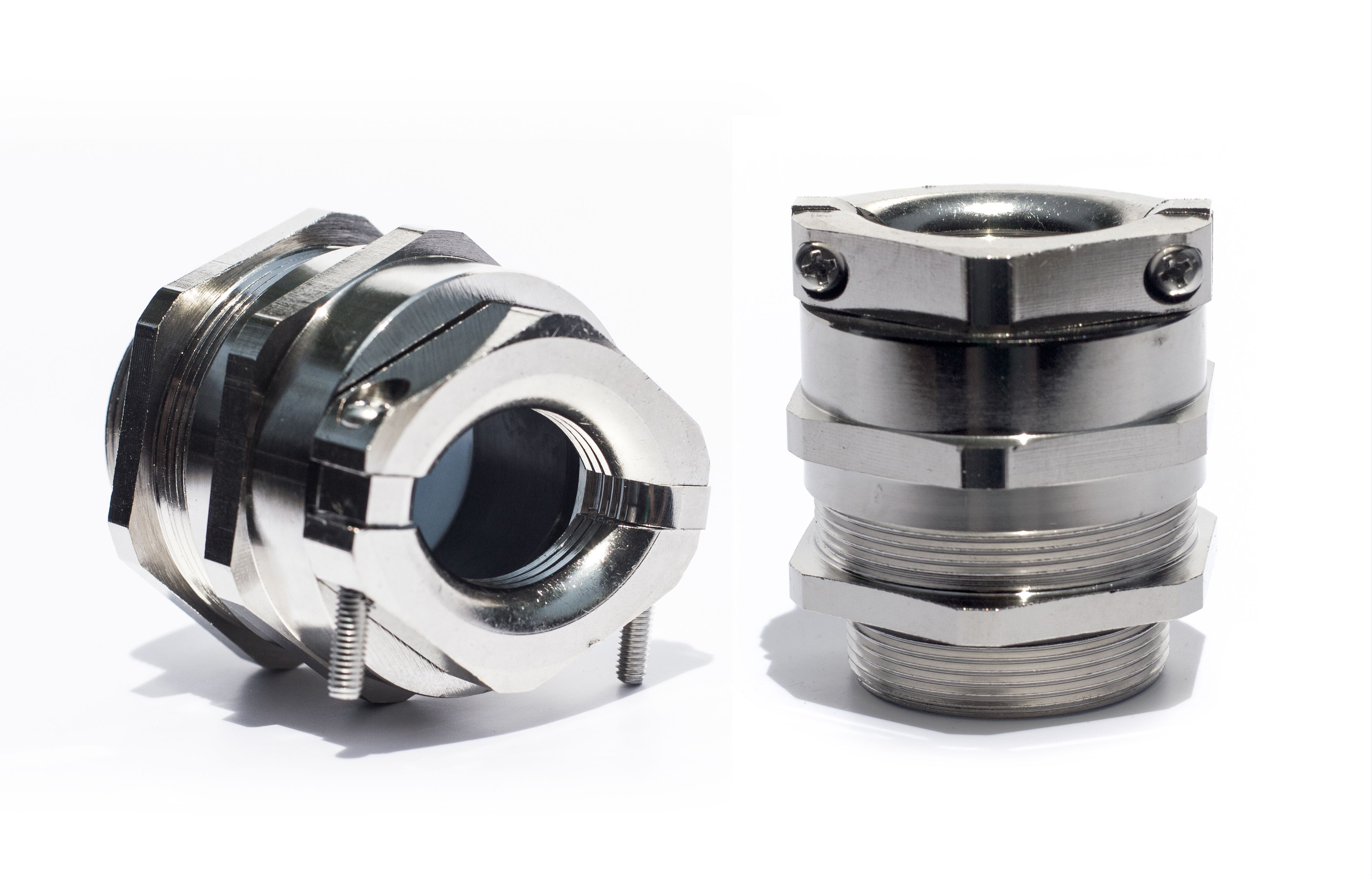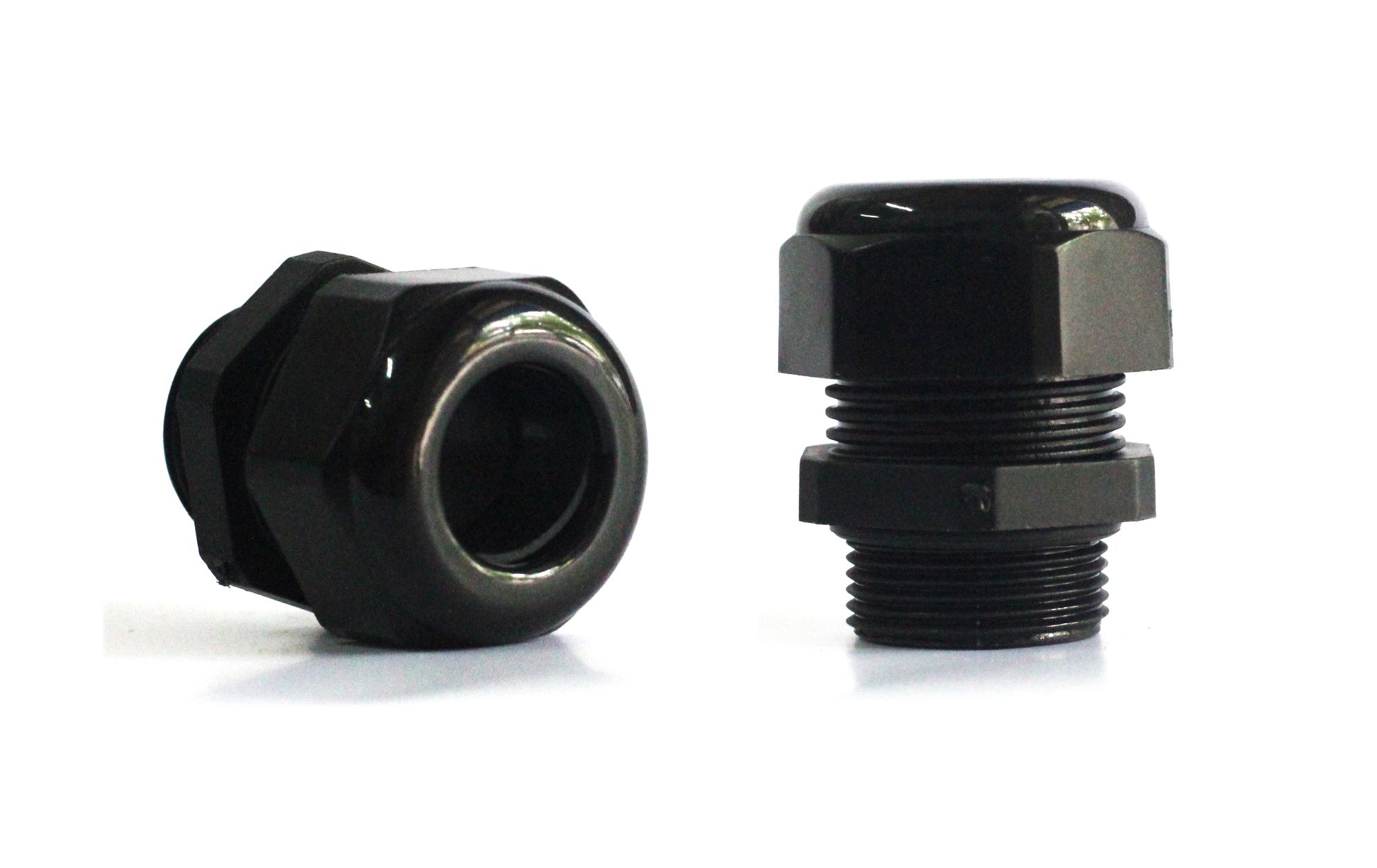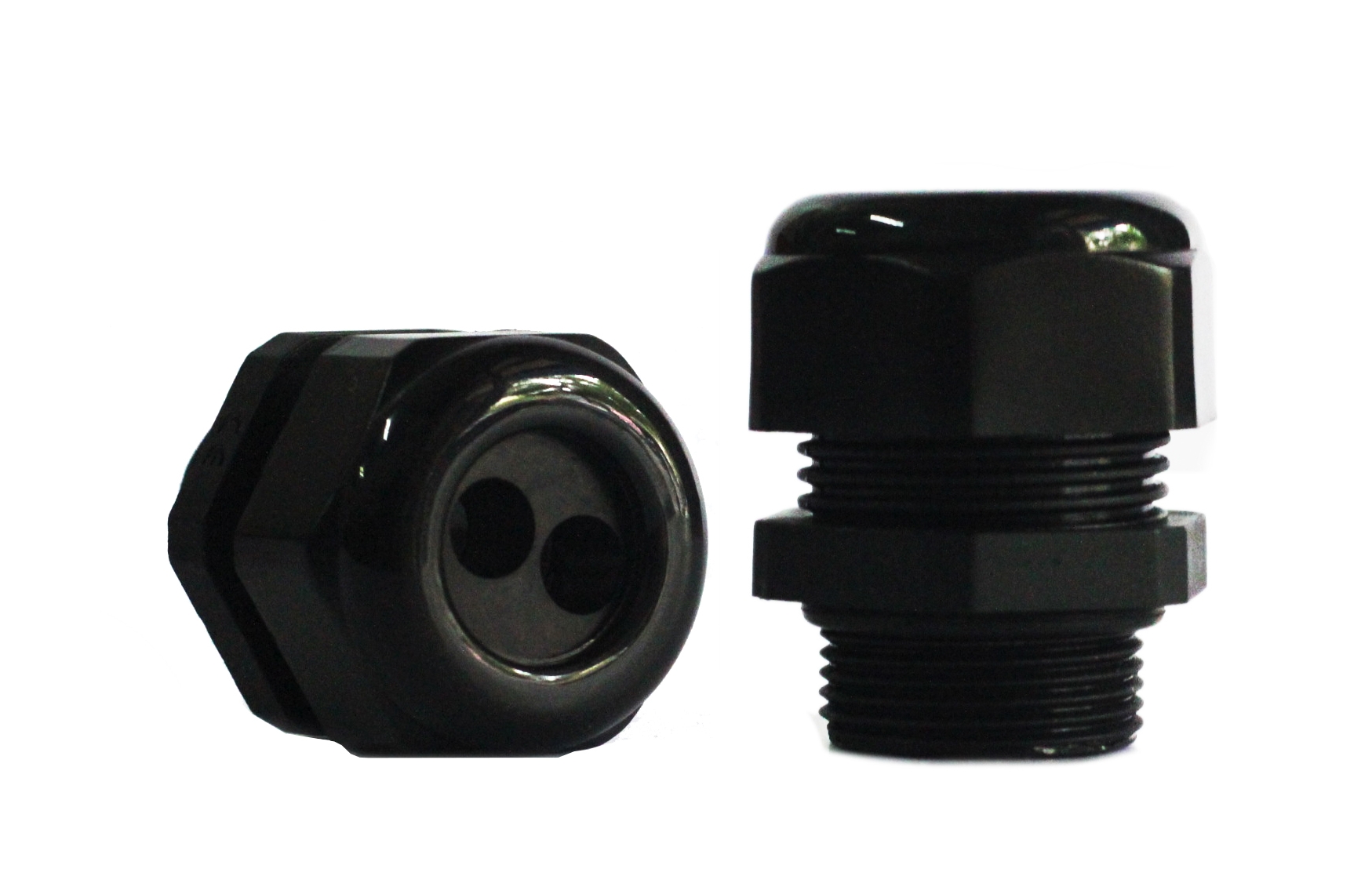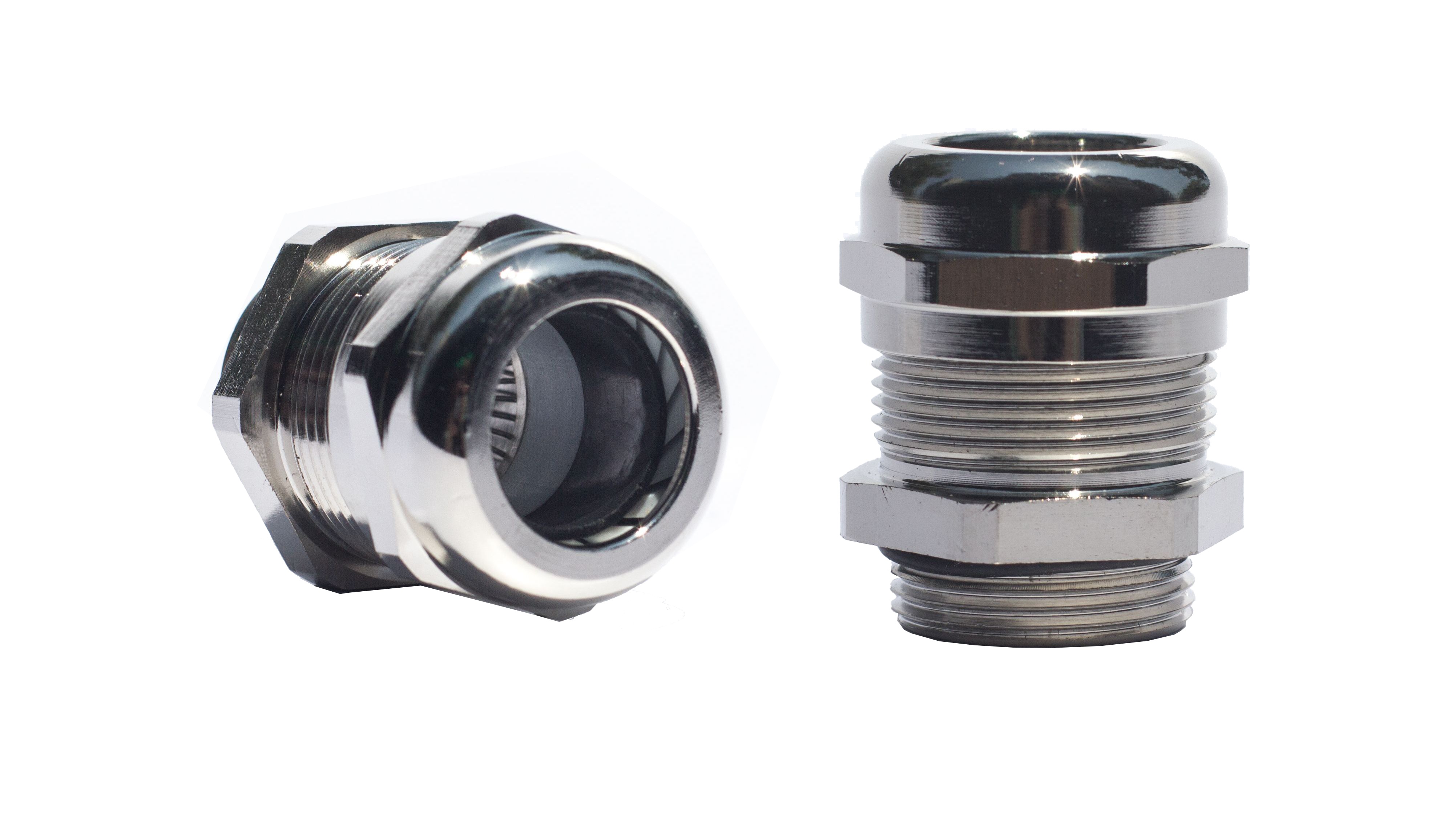
Cable glands
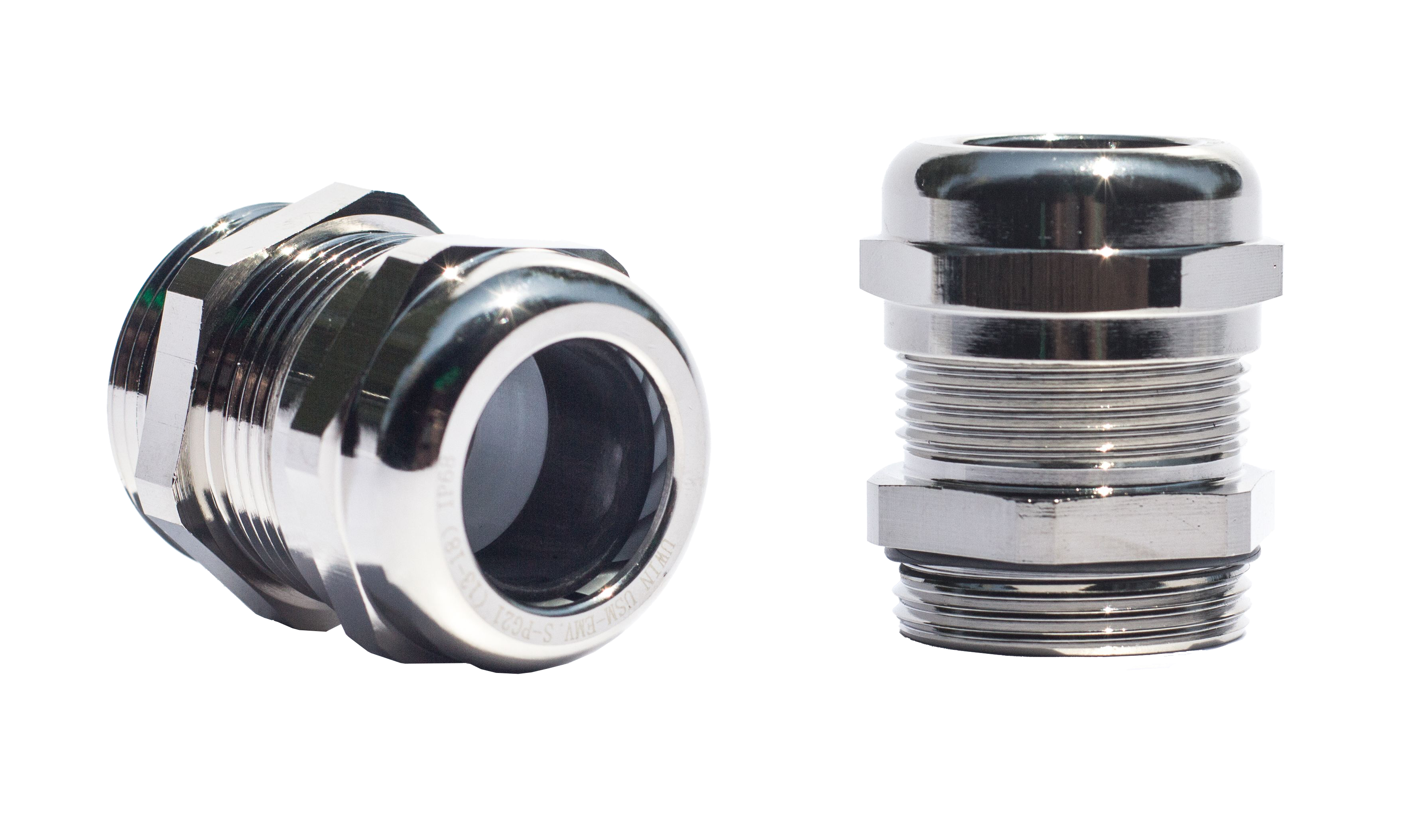
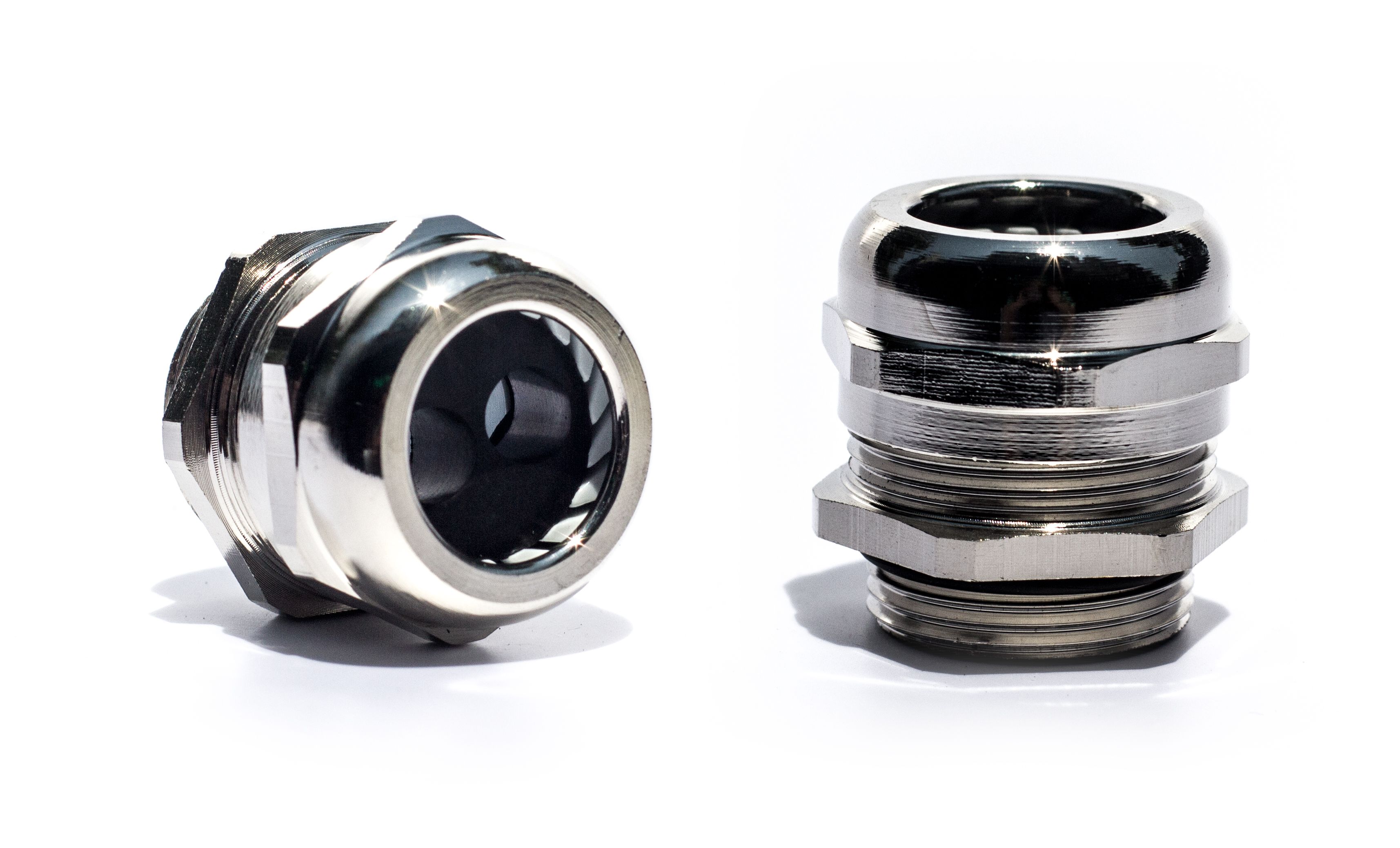
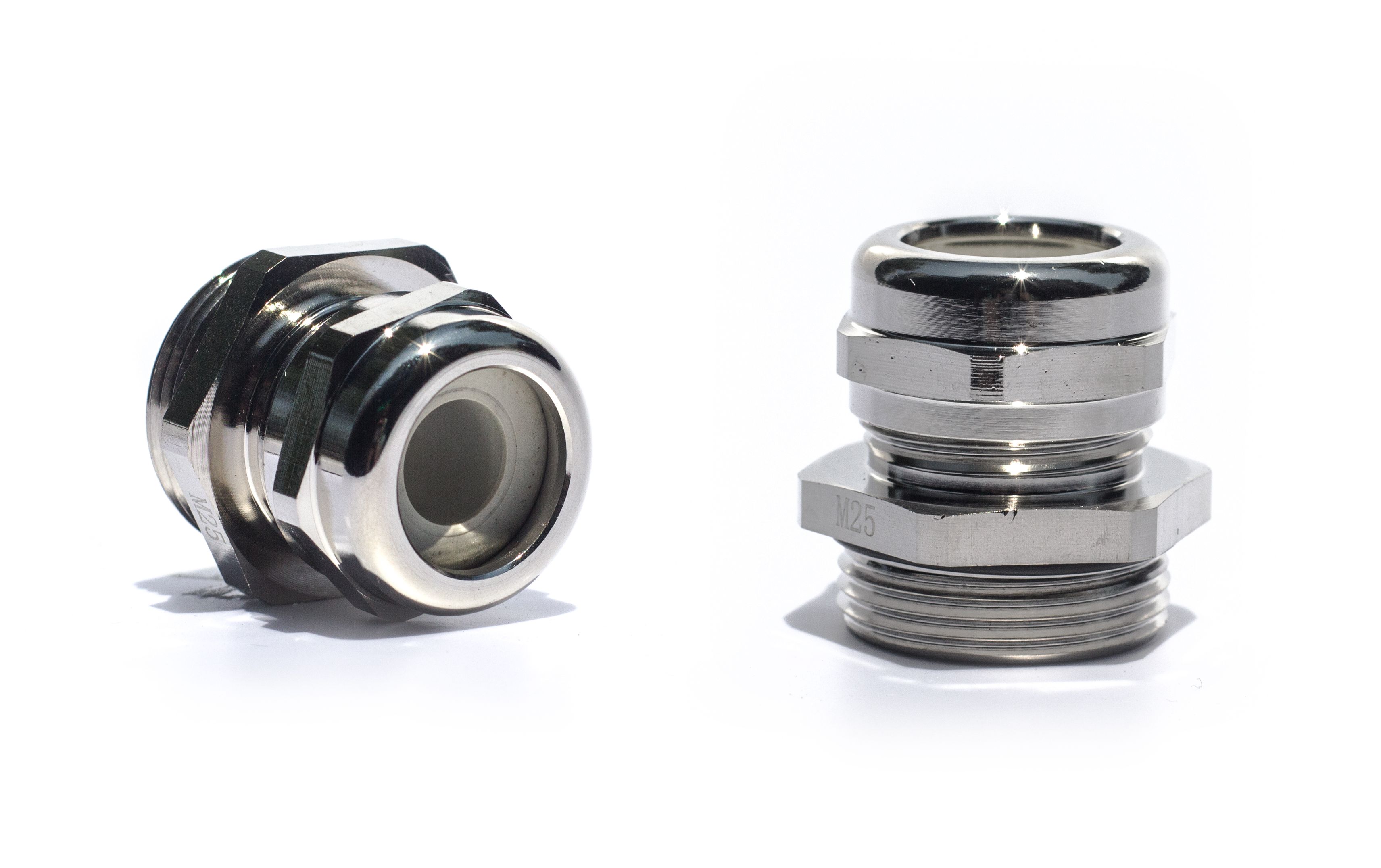
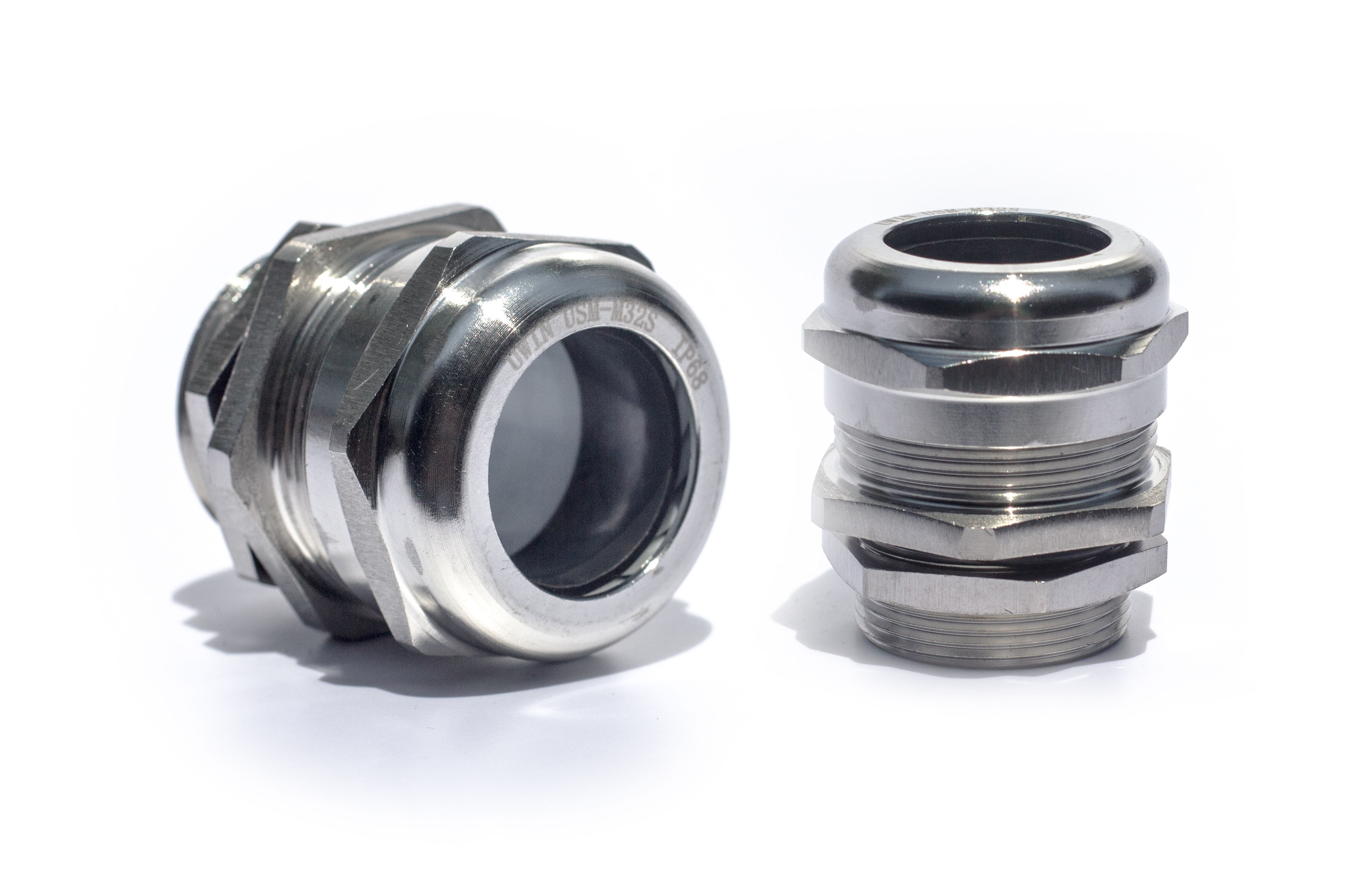
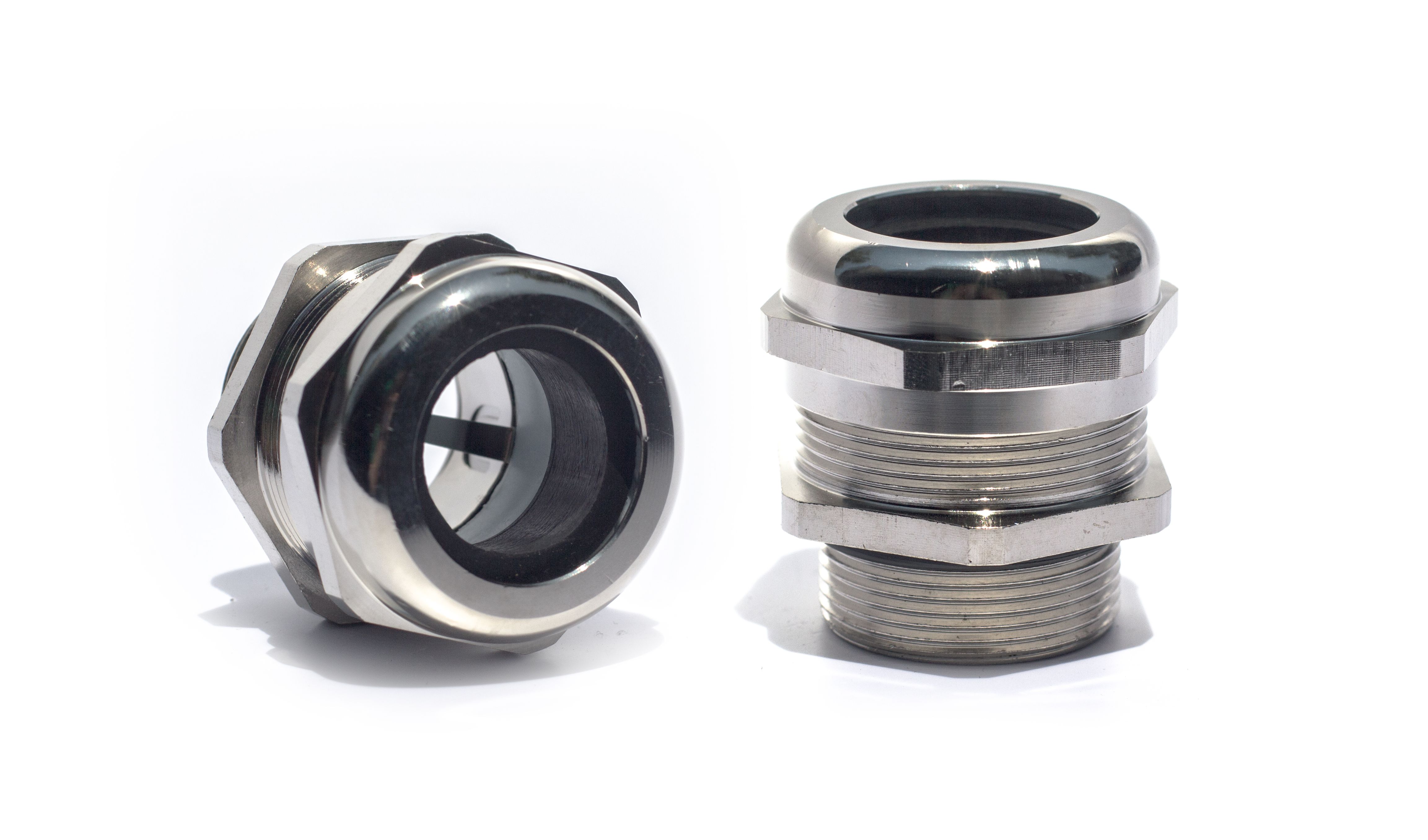
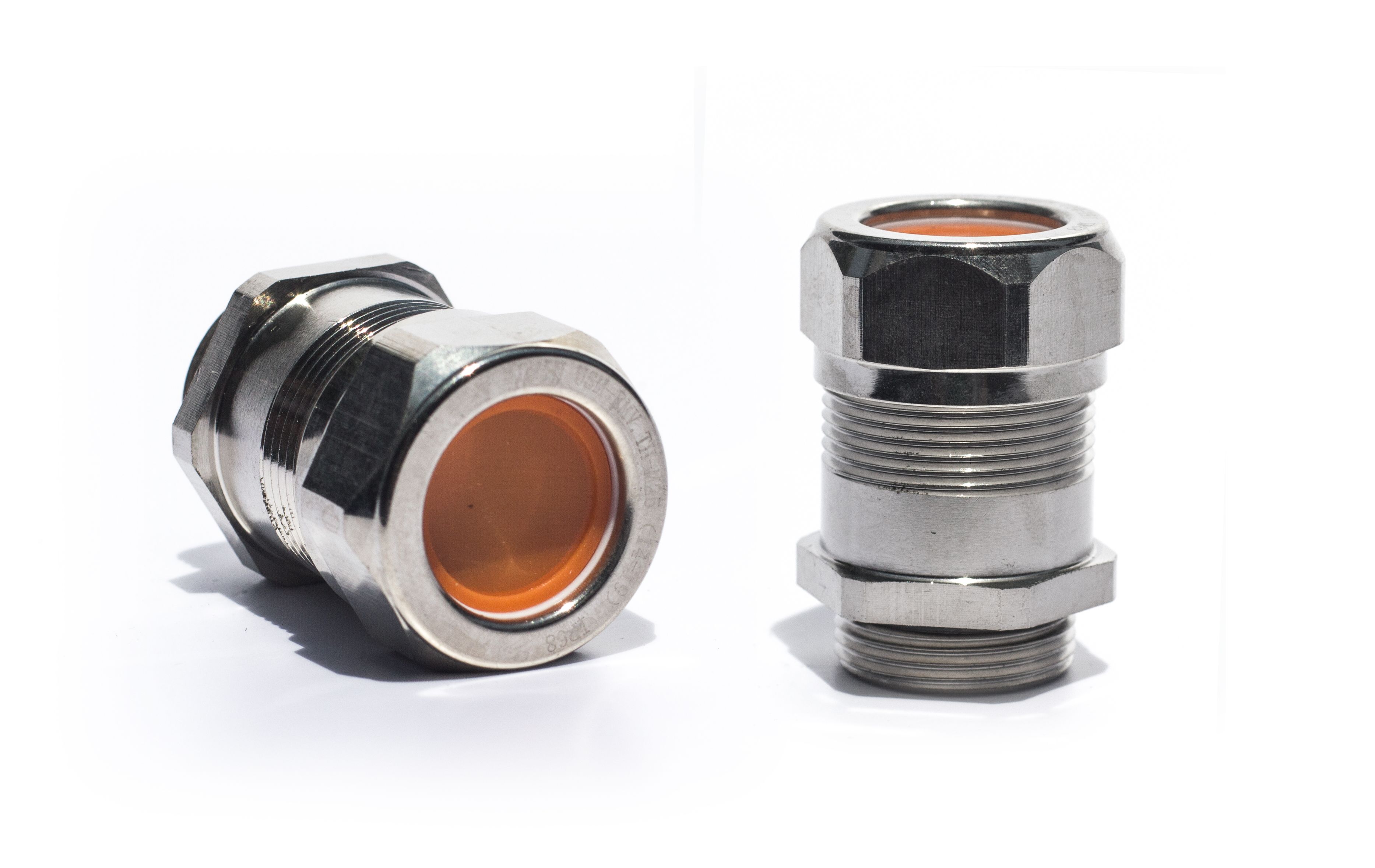
A cable gland is a cable sealing joint. Most sealing joints are in fact used for dust and water protection; in certain hazardous areas, explosion-proof sealing joints are required, whose function is to prevent flammable gases from entering the enclosure.
1. Basic introduction
Their main functions are the clamping, protection and sealing of cables.
Clamping means locking the cable by means of the gland so that the cable cannot move axially or rotate radially, thus ensuring a proper cable connection.
Protection means preventing the cable from being scratched or cut when it passes through a wall or panel.
Sealing refers to what is commonly called IP protection, i.e. protection against dust and water; MB cable glands reach up to IP68.
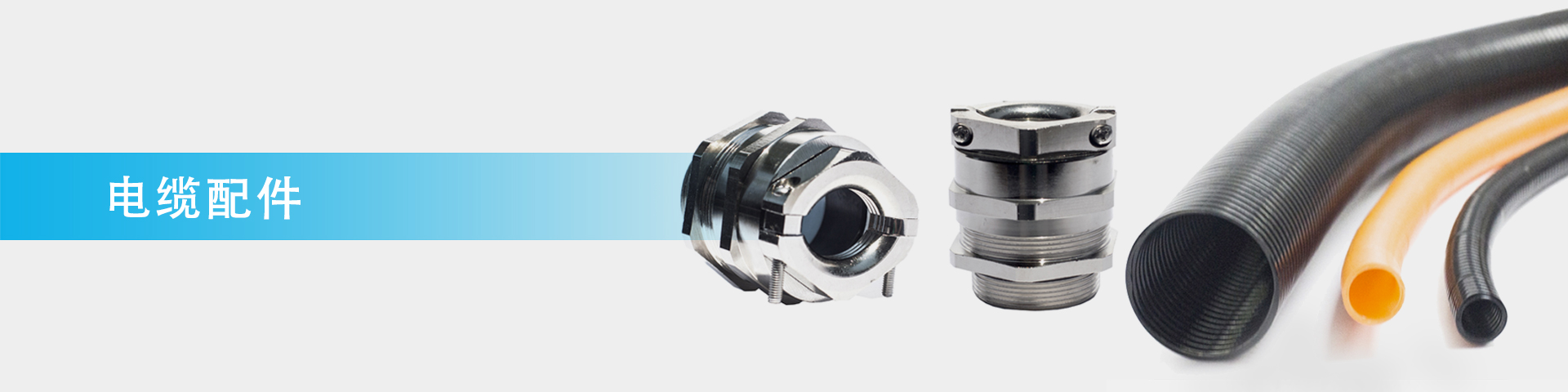
There are also glands for special locations, such as shielded waterproof cable glands for cables with a screen; armoured waterproof cable glands for armoured cables; and explosion-proof waterproof cable glands for hazardous areas such as mines.
2. Classification
By material, they are divided into metal products and plastic products
For metal products, the vast majority of the industry uses brass, usually nickel-plated for corrosion protection. Stainless steel materials are also used, such as stainless steel 304, 316 and 316L.
For plastic products, the industry now mainly uses nylon materials (PA6, PA66); PVDF and other materials are also used;
3. Applicable standards
Standards for overall requirements: EN50262 / UL514B
Standards for overall protection performance: EN60529 / DIN40050 / IEC60529
Standards for explosion-proof products: IEC60079-7:2001, GB3836.1-2000
IEC60079-0:2004 GB3836.3-2000
IEC60079-1:2007 GB3836.2-2000
Electromagnetic compatibility standard: IEC61000-4-1-2000