Rolling Stock
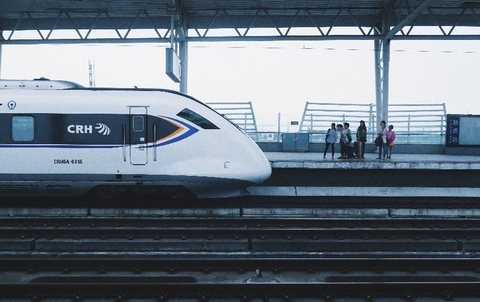
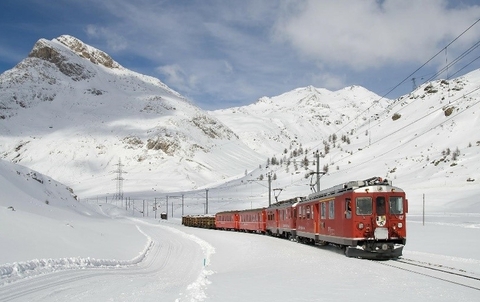
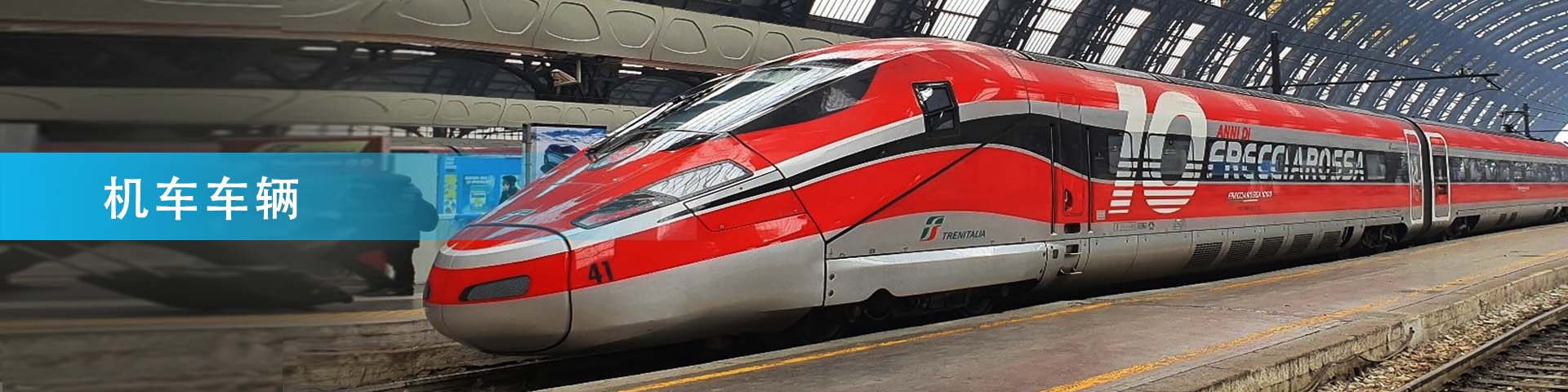
In the rail transport industry, the term rolling stock refers to railway vehicles, including both powered and unpowered vehicles, for example: locomotives, freight wagons and passenger coaches (or carriages) as well as non-revenue vehicles. Passenger vehicles may be unpowered or self-propelled, single or multiple units. A connected series of railway vehicles is a train.
In the term rolling stock, the word stock refers to inventory. Rolling stock is considered to be, or to be close to, a liquid asset, because it is easy to estimate the value of a vehicle and then deliver it to a buyer without much cost or delay. The term contrasts with fixed stock (infrastructure), which is a collective term for the track, signals, stations, other buildings, electrical wires and so on that are needed to operate a railway.
MB Connectivity's earliest deliveries of rolling stock cables date back to the early 1990s in Italy. MB Connectivity entered the Chinese market in 2007 and has since become one of the leading foreign-brand suppliers of rolling stock cables in China. Our renowned rolling stock cables are widely used on high-speed rail, urban rail transit and electric locomotive vehicles.